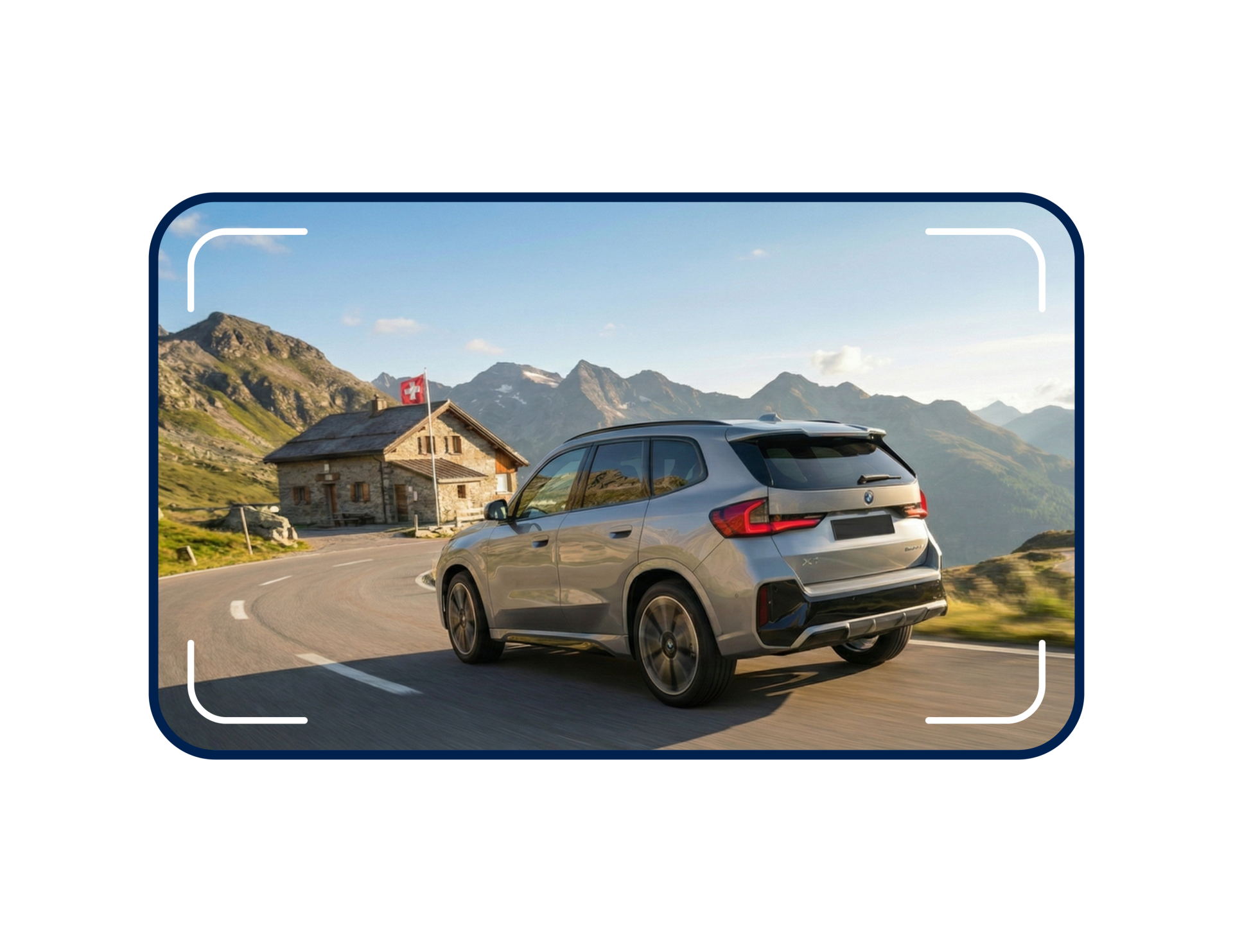
Welcome to Switzerland? Need a car?

Relocating comes with a long to-do list. Finding the right mobility solution shouldn’t be one of them. With Carvolution, you get a car from 3 to 48 months, available within 14 days, all for a monthly fixed price. No paperwork, no long-term commitment.

Expats Header Image Desktop 8

Your benefits of driving with Carvolution

Vertraege Flexibel anpassen 2

Flexibility on your terms

No long-term strings attached. Your car adapts to your life in Switzerland.

  • Start small: Choose a minimum duration starting from just 3 months.

  • Stay or buy: Extend up to 4 years or buy your car if you decide to stay forever.

  • Monthly updates: Adjust your kilometer package every month with a simple click.

Alles inbegriffen
Alles inbegriffen

Total peace
of mind

Skip the Swiss bureaucracy. We handle paperwork; you just drive.

  • All-in-one: Insurance, taxes, registration and maintenance are all included.

  • Expat-ready: We accept permit B & C – no Swiss credit history required.

  • Ready to roll: Pick up your car fully registered and ready for the road the moment you arrive.

Bestpreis Garantie
Bestpreis Garantie

Full cost transparency

No hidden fees, no surprises. Everything explained in plain English.

  • One monthly price: A single fixed cost covers everything but fuel or electricity.

  • English first: Contracts and support in English – no Google translation needed.

  • Expert support: Benefit from our experience in helping thousands of expats get mobile.

Find the right car for your life in Switzerland

Whether you’re exploring Switzerland solo, enjoying weekends with friends, or traveling with your family, we have the perfect car for your adventure. From compact city cars to spacious SUVs, petrol or electric: ready for every road, every plan.

Supersavers
14 days
Toyota Yaris

ToyotaYaris Hybrid

AutomaticFull-HybridFront-wheel drive3 Colors
from 383 239CHF/mo.
+ Down Payment
Configure now
392 CHF/mo. cheaper than Leasing
14 days
Citroën ë-C3 MAX

Citroënë-C3 MAX

AutomaticElectroFront-wheel drive3 Colors
from 303CHF/mo.
+ Down Payment
Configure now
224 CHF/mo. cheaper than Leasing
Supersavers
14 days
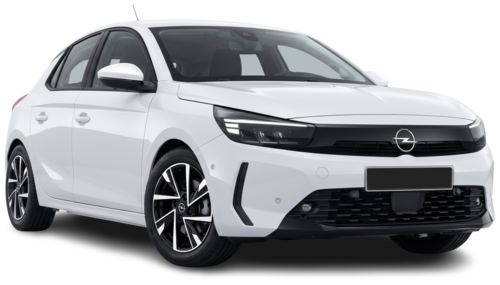
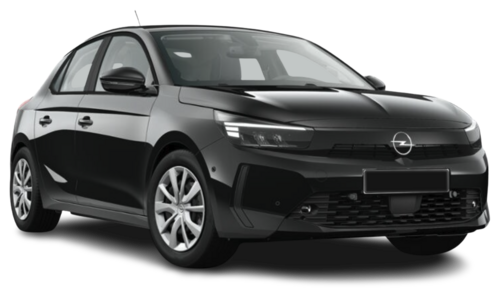
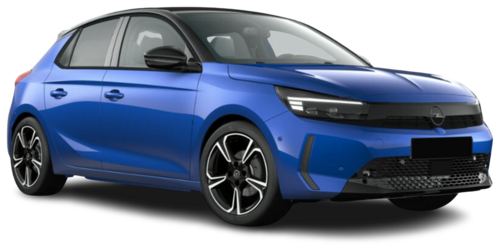
Opel Corsa GS Line 110PS

OpelCorsa GS-Line

AutomaticMild-HybridFront-wheel drive3 Colors
from 299 259CHF/mo.
+ Down Payment
Configure now
175 CHF/mo. cheaper than Leasing
Supersavers
30 days
Fiat Grande Panda Hybrid La Prima

FiatGrande Panda Hybrid La Prima

AutomaticMild-HybridFront-wheel drive7 Colors
from 349 279CHF/mo.
+ Down Payment
Configure now
89 CHF/mo. cheaper than Leasing
1 /

FAQs

Mobility & car solutions in Switzerland

Buying, Leasing, or Subscription: Which makes sense for expats?

  • Buying: Only recommended if you plan to keep the car for at least 8 years. For a typical used car, this can be cost-effective, but you bear all the risks of repairs and a difficult resale later.
  • Leasing: Often seems cheap at first glance, but the monthly rate only covers the "use" of the car. You must personally organize and pay for insurance, taxes, maintenance, and tyres.
  • Car Subscription: The favorite for expats due to zero paperwork. It combines the flexibility of short terms with the cost-efficiency of a large fleet.

How much does a car really cost per month in Switzerland?

Most people only look at the leasing rate or fuel. According to TCS (Touring Club Switzerland) 2026 data, the average cost per kilometer is now CHF 0.75.

The Reality Check: For a standard car (new price approx. CHF 45,000) driven 15,000 km/year, the total monthly cost is roughly CHF 920. This includes depreciation, insurance, and maintenance.

Is Carvolution’s price really the best?

Yes. We offer a Best Price Guarantee based on the Total Cost of Ownership.

How it works: If you have a leasing offer for an identical car, send it to us. We will calculate the total cost (Leasing + Insurance + Tires + Taxes + Service). If our subscription is more expensive than that total sum, we will adjust our price. Please note: This guarantee applies to the total package, not to individual insurance premiums alone.

Electric or Petrol – Which Makes More Sense for Expats in Switzerland?

With fuel prices fluctuating and the 2026 CO2 levy on petrol, electric vehicles (EVs) are often the more cost-efficient choice. Driving 100 km in an EV costs roughly CHF 5.10, compared to about CHF 11.00 for a petrol car. Maintenance is simpler too, with fewer moving parts, often resulting in 30–50% lower service costs.

Taxes can also favor EVs, with many cantons offering discounts or exemptions. And charging? Extremely convenient—Switzerland has one of the densest fast-charging networks in the world, so you’re rarely more than 10 minutes from a high-speed charger, even in alpine villages.

Pro Tip: If you live in a rented apartment, ask your landlord about installing a Wallbox—it’s the most cost-effective way to charge overnight.

Legal & permits

What permit do I need to get a car?

While you can buy a car with any permit, registration and financing have different rules:

  • C Permit: No restrictions.
  • B Permit: Most banks require 6-12 months of Swiss credit history for a lease. At Carvolution, we only need your employment contract and payslips.
  • L Permit: Traditional leasing is nearly impossible. With Carvolution, you can get a car; the contract length is simply aligned with your work contract or permit validity.

Do I need to register the car in my name?

At Carvolution we have different options.

  • With a B Permit: If you have your residence confirmation, we register the car in your name in your canton of residence.
  • With an L Permit (or if documents are pending): We can provide a temporary registration on Carvolution plates (Canton of Bern) for up to 2 months.
  • Note: There is a one-time fee of CHF 200 for this temporary registration service.

Can I drive in Switzerland with a foreign driving licence?

Using Your Foreign License in Switzerland
Yes, you can use your foreign license for private trips as long as it’s valid and in (or translated into) a Latin script. You must exchange it for a Swiss license within 12 months of your arrival—after that, you’re no longer legally allowed to drive.

Exchange requirements vary by country. For details specific to your country, check the full blog.

Bringing Your Own Car

Is it possible to live in Switzerland but drive with a foreign license plate?

Having a foreign number plate while living in Switzerland can be financially appealing for several reasons. One of the biggest restrictions is the legal aspect. This is because Swiss law generally requires people registered in Switzerland to register their vehicles in Switzerland if they live there for more than 6 months. Using a car registered abroad beyond this period can lead to fines and other legal measures. Here's all you need to know.

What about Form 15.30 when I bring my car from abroad?

If you stay in Switzerland for a short time (e.g., as a student or short-term worker) and don't want to import your car permanently, you can apply for a Customs Permit (Form 15.30).

  • The Rule: This allows you to use your foreign-registered car duty-free for up to 2 years.

  • Is it cantonal? No, the customs rules (Form 15.30) are federal (valid for all of Switzerland). However, the Road Traffic Office (Strassenverkehrsamt) in your specific canton decides if and when you must switch to Swiss license plates for safety/technical reasons.

  • Where to double-check: Visit the official Federal Office for Customs and Border Security (BAZG) website or contact the specific Strassenverkehrsamt of your new canton.

What differs between Swiss cantons?

While traffic laws are federal, the costs are not:

  • Road Tax (Verkehrssteuer): Each canton has its own formula. A car in Canton Zurich might cost twice as much in annual taxes as the same car in Canton Schwyz or Appenzell.

  • Administration: The Strassenverkehrsamt (Road Traffic Office) is cantonal. Processing times for your mandatory technical inspection (MFK) and the costs for registration and license plates vary from one canton to another.

Insurance, costs & fines

How expensive is car insurance? // What is mandatory and what is optional?

Insurance in Switzerland is high-quality, but due to rising repair costs for high-tech components, premiums have seen an increase in 2026.

  • Mandatory: Third-party liability (Haftpflicht). You cannot register a car or get license plates without it. It covers damage you cause to others.

  • Optional: Partial Casco (Teilkasko) covers "acts of God" like hail, fire, theft, and marten damage. Full Casco (Vollkasko) is highly recommended as it covers damages to your own car in self-inflicted accidents.

  • Cost: Expect to pay between CHF 900 and CHF 1,700 per year for a modern car, depending on your age, nationality, and chosen deductible (Selbstbehalt).

Note: For leased cars, Full Casco insurance is strictly mandatory and usually added on top of the monthly cost. With a car subscription, Full Casco is already included—so you don’t have to worry about extra fees.

Are traffic fines in Switzerland really that high?

Yes. Switzerland operates on a system of "Ordnungsbussen" (fixed fines) for minor offenses and income-based penalties for serious ones.

  • Minor: Speeding by 1–5 km/h starts at CHF 20.

  • Serious: If you exceed the limit by more than 16 km/h (urban) or 26 km/h (motorway), it is no longer a simple fine. You will receive a summons (Anzeige), and the financial penalty will be calculated in daily rates based on your monthly net income. Serious offenses (Raserdelikt) can lead to a minimum of one year in prison and the permanent confiscation of your vehicle.

In partnership with