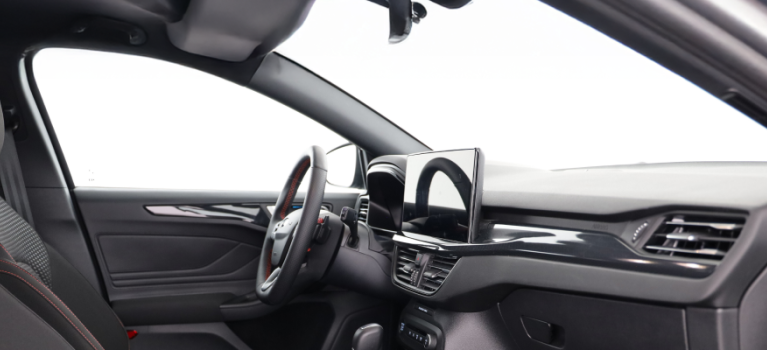
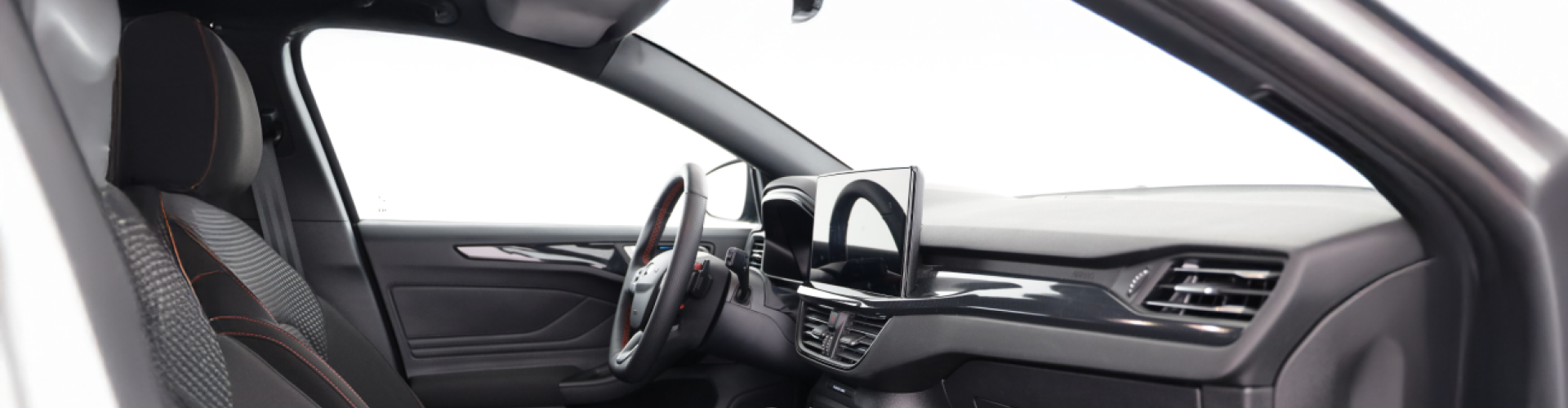
Airbags – just a simple cushion? Not at all. They are high-tech lifesavers that deploy within milliseconds and can prevent far worse injuries. But where exactly are they located in a car, how do they actually work – and what should you always keep in mind in everyday life?
Where Are Airbags in Cars?
Most people first think of the front airbags for the driver and passenger. In reality, however, there are several types of airbags:
Front airbags: in the steering wheel and dashboard, protecting head and upper body.
Side airbags: in the front seats or doors, protecting chest and pelvis.
Head airbags (curtain airbags): in the roof lining, protecting the head in side impacts.
Knee airbags: in the lower dashboard area, protecting the legs.
Rear airbags: in newer models also for the back seats.
Depending on the car model, more than ten airbags can be fitted – invisible until they deploy within milliseconds in an emergency.
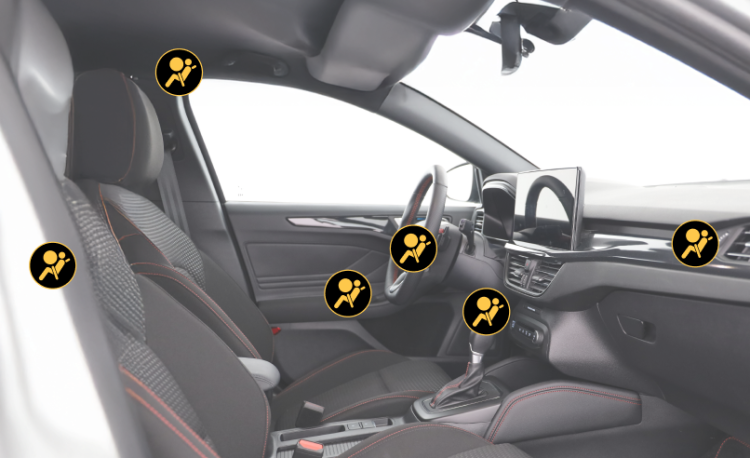
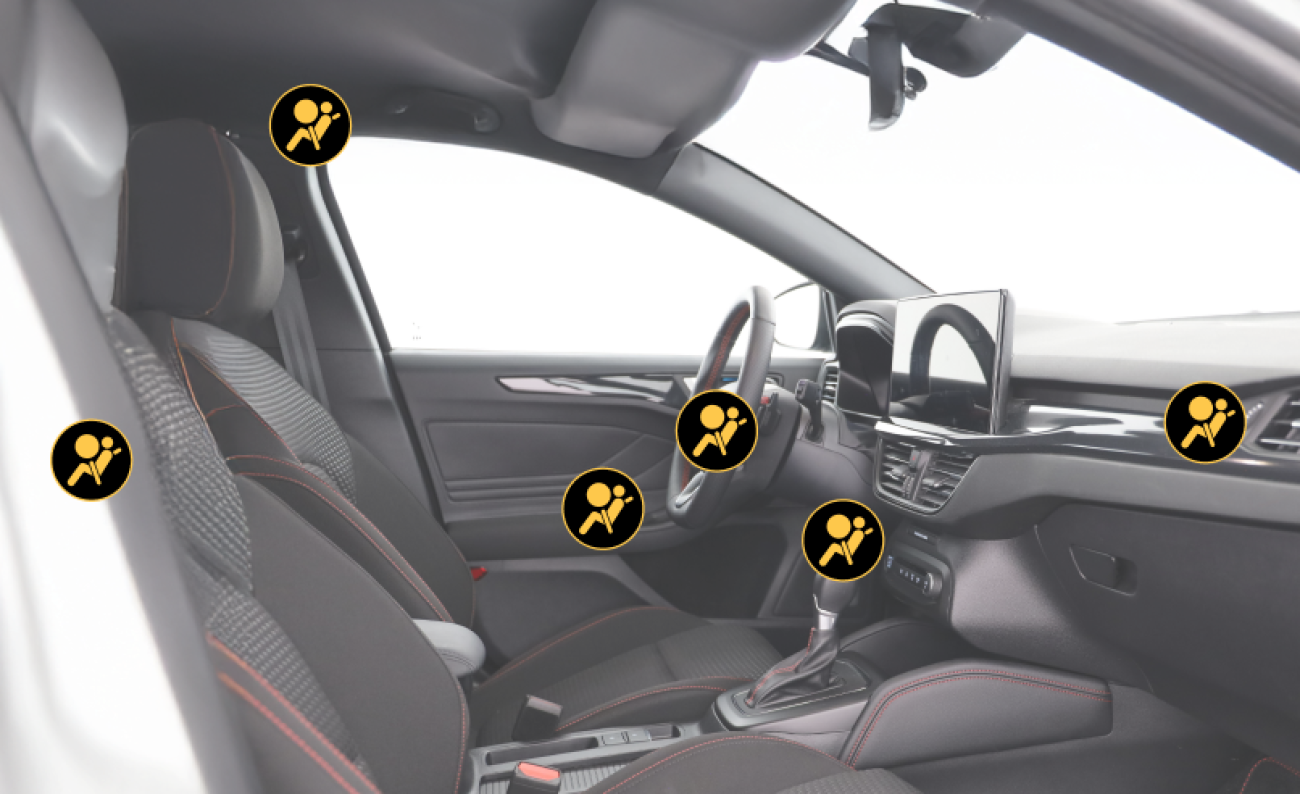
Airbags at a Glance
How Do Airbags Work?
Airbags are connected to sensors that activate the deployment mechanism during a severe impact. A gas generator inflates the airbag within milliseconds – before you even register the collision.
The airbag acts like a cushion: it absorbs the body, distributes the impact energy, and reduces the risk of serious injuries to the head, chest and legs.
Important: airbags are designed to deflate immediately after inflating. This ensures freedom of movement and prevents additional injuries.
Lifespan and Maintenance of Airbags
Airbags do not last forever. Manufacturers generally specify a service life of 10 to 15 years. After that, the system should be checked and replaced if necessary. Modern cars monitor airbags electronically – if the airbag warning light comes on, a garage must check for defects. Even after a crash, if the airbag did not deploy, inspection or replacement is often required.
What Should You Know About Airbags?
Seatbelt remains essential: airbags never replace the seatbelt – they only complement it.
Seat position matters: sitting too close to the steering wheel increases the risk of injury from the airbag.
Child seats: on the passenger seat, a rear-facing child seat is only allowed if the airbag is deactivated.
Common Misconceptions
“Airbags are enough, I don’t need a seatbelt.” → Wrong! Without a seatbelt, airbags can even be dangerous.
“The more airbags, the safer the car.” → Not necessarily. Driving style, car design and assistance systems also play a key role.
“Airbags always deploy in a crash.” → No. They only deploy at a certain impact strength and direction.
Conclusion – Airbags Alone Are Not Enough
Airbags are a central element of car safety – but they only work in combination with the seatbelt and correct seating position. Anyone who knows the basics drives more safely and avoids unnecessary risks.
Good to know: With Carvolution you always drive the latest cars with the most advanced safety systems – keeping you fully protected.
Sale
Benefit from attractive discounts on selected vehicles. Everything is included in the subscription, and a buyout is possible at the end!