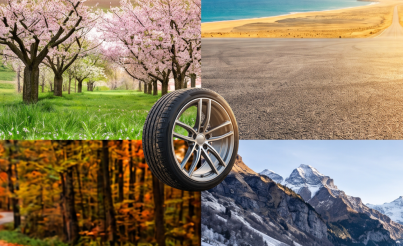
Bad weather is one of the biggest challenges on the road. Rain, snow, and ice not only reduce visibility but also affect braking, car control, and reaction times. Driving safety plays a crucial role in these conditions.
In this article, you’ll learn how to stay safe in any weather, which mistakes to avoid, and how modern technology can help.
How Weather Can Make Driving Dangerous
How Weather Can Make Driving Dangerous
Heavy rainfall, snowdrifts, or icy roads are common causes of accidents. Driving safety means recognising risks early and reacting correctly. The most frequent causes of weather-related accidents include:
Excessive speed in wet conditions: Leads quickly to aquaplaning or loss of traction.
Driving with worn tyres: Low tread depth reduces water displacement and grip on wet or snowy roads.
Jerky steering on snow: Sudden movements can cause the car to skid, as the tyres lose lateral grip.
Underestimating black ice: Invisible ice is particularly dangerous.
A calm and conscious driving style protects you, your passengers, and other road users.
How Rain Affects Driving Safety
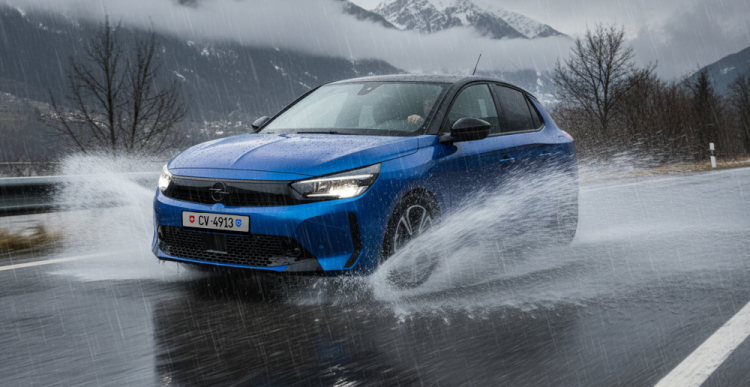
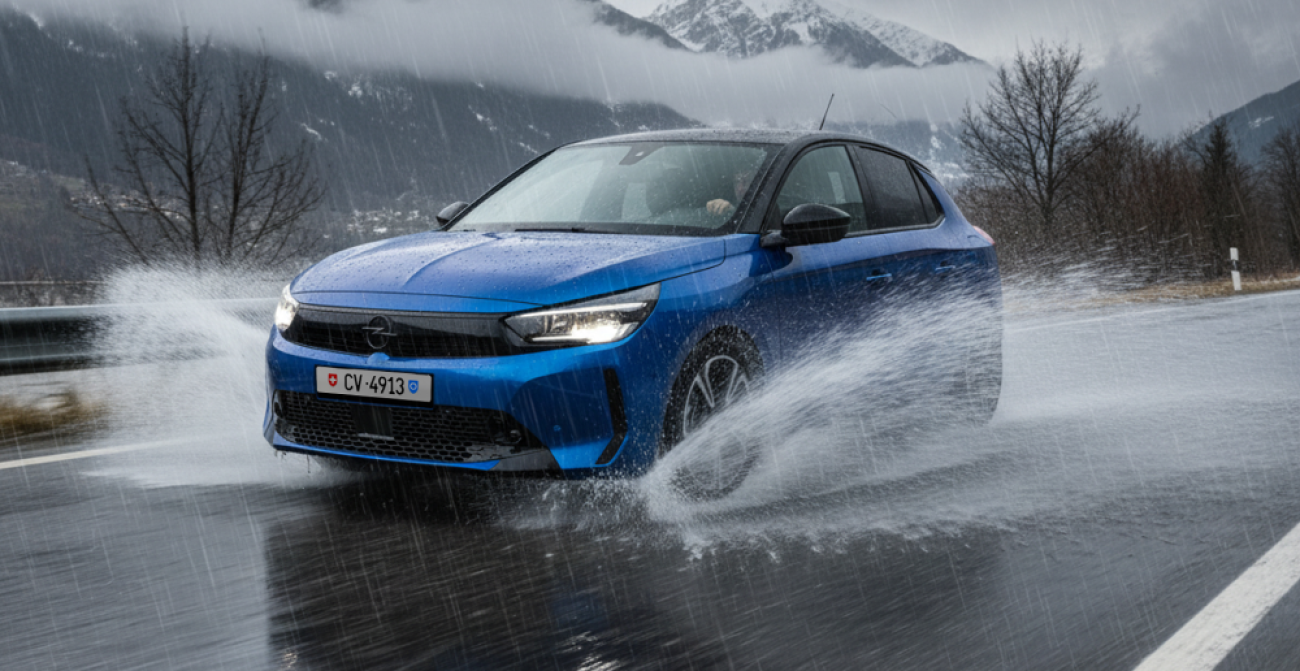
Rain creates multiple hazards: reduced visibility, longer braking distances, and aquaplaning risk.
What to do in rain:
Reduce speed, especially in heavy rain
Double the distance to the car in front
Check tyre tread regularly (minimum 3–4 mm recommended)
Keep windshield wipers functional and replace early if needed
Avoid water-filled grooves, where aquaplaning starts
How to react to aquaplaning:
Stay calm, do not brake: Braking locks the wheels, preventing traction.
Take your foot off the accelerator: Reduces speed without blocking the wheels.
Keep the steering wheel straight: Sudden movements can cause uncontrollable skidding.
Only accelerate once the tyres regain contact with the road.
How Snow Affects Driving Safety
Snow covers road markings, makes surfaces slippery, and makes starting from a standstill more difficult. Slushy snow and hidden ice are especially treacherous.
How to drive safely in snow:
Use winter tyres
Start in low gears to avoid spinning wheels
Brake early and coast to stop
Steer gently, avoid sudden movements
Increase safety distance, at least three times normal
Winter equipment essentials:
Ice scraper & snow brush: crucial for clear visibility
Blanket & gloves: useful if stuck or waiting for help
Torch: essential for night-time breakdowns
Cat litter: can improve traction under stuck wheels
How to Protect Yourself on Ice
Ice is one of the most dangerous road surfaces because it’s often hard to see. Black ice forms at just a few degrees below zero – typically on bridges, in wooded areas, or in dips.
Signs of dangerous ice:
Reflective or shiny road surface
Lack of tyre noise
Heavy steering
Car trembling when turning
Correct response:
Drive very slowly and increase distance: braking distance increases drastically on ice
Avoid jerky movements: sudden steering or acceleration causes skidding
Use ABS, do not pump: Modern cars regulate braking automatically
How Technology Supports Driving Safety
Modern cars are equipped with numerous driver assistance systems that actively support you:
ABS – prevents wheels from locking during braking
ESP – stabilises the car in skids
Traction control – optimises grip on slippery surfaces
Emergency braking assist – shortens reaction and braking time
Lane-keeping assist – helps in low visibility
Why a Car Subscription Can Improve Your Safety
A car subscription gives access to modern cars with the latest safety technology. Especially in winter, this is a major advantage:
Modern safety systems
New or nearly new cars come with ESP, emergency braking, lane-keeping, and advanced lights.
These systems intervene early, reducing accident risk.
Up-to-date tyres
Summer and winter tyres and regular swaps are included in the subscription.
Ensures maximum grip on wet, snowy, or icy roads.
Maintenance included
Workshop costs, repairs, and maintenance are covered.
Ensures the car is always in top condition.
Flexibility & reliability
Always drives a young car less prone to defects.
Fewer breakdowns and more consistent safety.
Quick Driving Safety Tips by Weather

Conclusion: Driving Safety Starts with You
Driving safety is essential for accident-free journeys, especially in rain, snow, and ice. Recognising risks, using modern technology, and adapting your driving style can drastically reduce hazards. Key takeaways:
Drive slowly and anticipate hazards
Keep safe distances and watch for slippery roads
Check tyres & winter equipment
Use ABS, ESP, and emergency braking systems
A car subscription provides extra winter safety with modern, fully equipped cars
With these measures, you’re prepared for bad weather and increase safety for everyone on the road. Driving safety is a combination of knowledge, preparation, and calm driving – the better you master these, the safer you reach your destination.
👉 Improve your driving safety today – check your car or take advantage of a modern car subscription from Carvolution.