Brakes are one of the most important safety systems in your car – in an emergency, they can make the difference between metres or milliseconds. Yet many drivers only notice a problem when they hear squeaking noises or feel reduced braking power. With a few simple checks, you can spot potential issues early and know when it’s time to visit a garage.
How do I know if my car’s brakes are worn?
1. Noises when braking
Squeaking or grinding sounds are classic warning signs. They often occur when brake pads are worn down and metal starts rubbing against metal.
2. Longer braking distances or a soft pedal
If you have to press the brake pedal further, or your car takes longer to stop, this may indicate:
Worn brake pads
Air in the braking system
Old brake fluid
3. Vibrations when braking
A juddering or vibrating brake pedal – especially at higher speeds – may point to warped brake discs or uneven wear. This should be checked by a professional.
4. Visual check
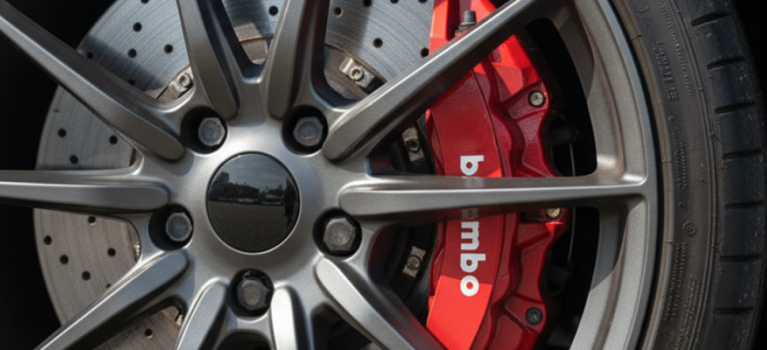
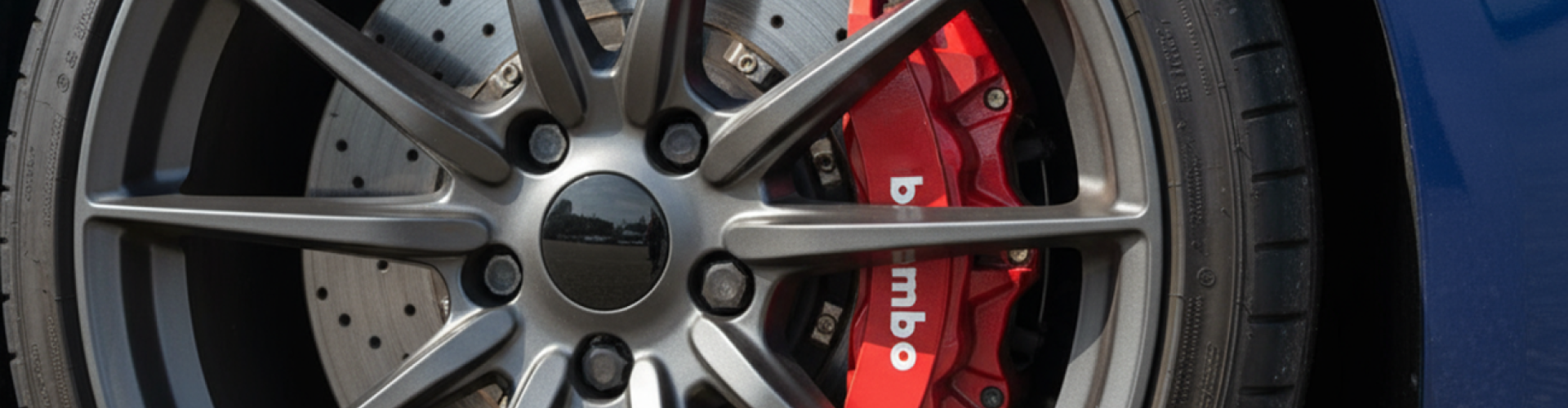
If you feel confident, take a quick look through the wheel spokes:
Brake pads should be at least 3 mm thick.
Rust, grooves, or cracks on the discs are warning signs.
💡 Tip: Many modern cars have electronic wear indicators that trigger a dashboard light or warning message such as “Check brake pads”. When this appears, it’s time to take action.
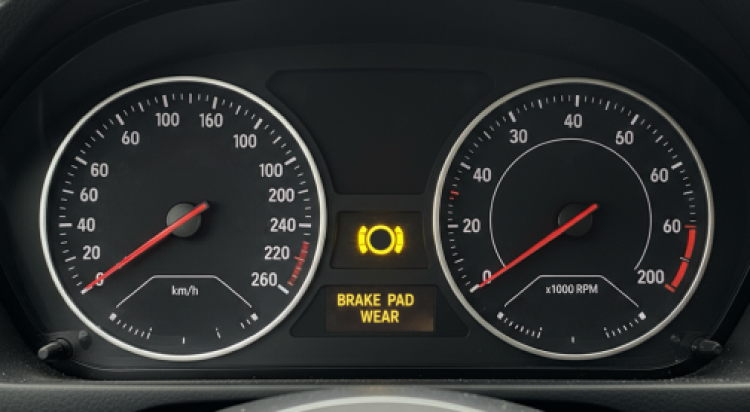
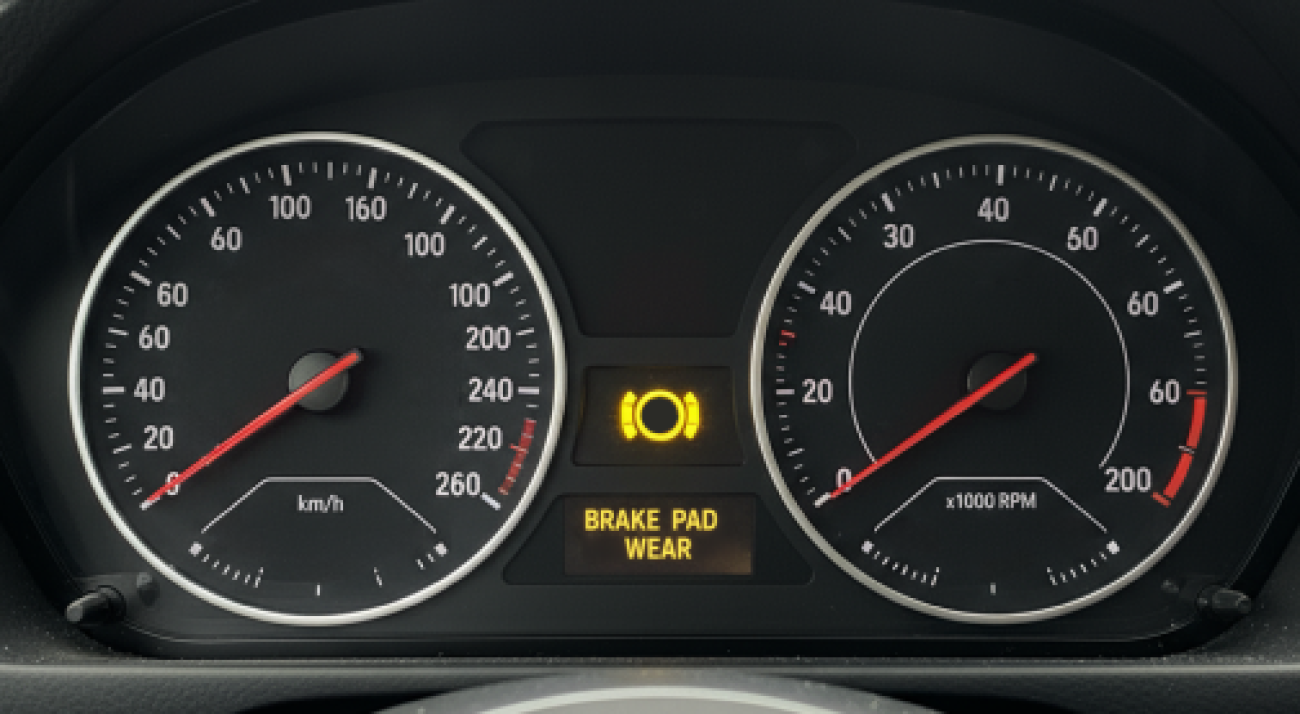
Dashboard light
What should you do if you notice these signs?
If you spot any of these warning signs, have your brakes checked at a garage as soon as possible – even if your car still feels fine when braking. Minor changes can indicate early wear that can worsen quickly.
How can I prevent brake wear?
Brake wear over time is normal, but you can reduce it significantly by following a few simple habits:
Drive proactively: Ease off the accelerator early and let your car roll rather than braking hard. This saves both your brakes and fuel.
Avoid constant braking: Especially downhill – instead of braking continuously, use engine braking (by shifting to a lower gear).
Regular maintenance: Have your brakes inspected at least once a year – particularly before long trips or after winter, as road salt can cause corrosion.
Change brake fluid: Brake fluid absorbs moisture over time, which reduces braking performance. Replace it every two years to maintain full braking power.
When is a brake replacement necessary?
A complete replacement is required if:
The dashboard warning light comes on,
The brake discs have cracks or deep grooves,
Or the pads are worn down below 2–3 mm.
Depending on driving style and vehicle type, brakes typically last:
between 40,000 and 130,000 kilometres
But in city driving or on mountain roads, they may wear out much sooner.
Conclusion: Regular checks mean greater safety
Your brakes are your car’s most vital safety feature – and regular inspections help prevent unpleasant surprises. Pay attention to noises, pedal feel, and warning lights, and have your brakes checked sooner rather than later.
At Carvolution, you always drive new or nearly new cars – so your brakes should be in excellent condition. Still, it’s worth staying alert: if you notice unusual sounds or a change in braking performance, have it checked.
That way, you’ll stay safe on the road – mile after mile. 🚗💨
Sale
Benefit from attractive discounts on selected vehicles. Everything is included in the subscription, and a buyout is possible at the end!